
2026 Gardening Trends: What’s New for Your Lawn and Garden
Trends influence more than what we wear or eat—they quietly shape how we live, what we value, and even how we engage with our outdoor spaces, including gardening. While some gardening principles never go out of style, new ideas continue to influence how we design, plant, and care for our landscapes.
Today’s garden trends are shaped by a mix of forces: professional designers, everyday gardeners sharing their experiences online, shifting lifestyles, and the realities of a changing climate. More people are gardening at home, experimenting with new plants, and asking more thoughtful questions about sustainability, resilience, and purpose.
As we head into 2026, some familiar ideas are evolving, others are falling away, and a few are proving they’re here for the long run. From standout plants gaining attention to changes in how we approach lawns, landscapes, and even floral displays, this year’s trends reflect a desire for gardens that feel personal, practical, and alive. Here’s what’s arriving fresh, what’s fading out, and what’s firmly taking root.
Key Takeaways
- Gardens in 2026 highlight standout plants like soft yellows, flowering trees, dual-purpose ornamentals, and ornamental grasses, with pollinator-friendly and edible centerpieces on the rise.
- Heat- and drought-tolerant species, especially natives and climate-adapted perennials, help gardens thrive with less water and maintenance.
- More gardeners are designing spaces that provide year-round resources for pollinators, birds, and local ecosystems, focusing on plants with meaningful ecological impact.
- Technology and targeted nutrition, including starter solutions like NutriPod®, support healthier plants, reduce waste, and build long-term resilience.
- Maximalist and “messy” gardening encourages layered plantings, self-seeding, and creative layouts, combining abundance, biodiversity, and personal expression.

The Plants Everyone Will Be Talking About
According to a garden designer writing for Homes and Gardens, several plants are poised to take center stage as gardeners look for fresh color palettes, structure, and ecological value. These aren’t fleeting novelties—they reflect broader shifts in how gardens are being designed and enjoyed.
Soft Yellows Take Center Stage
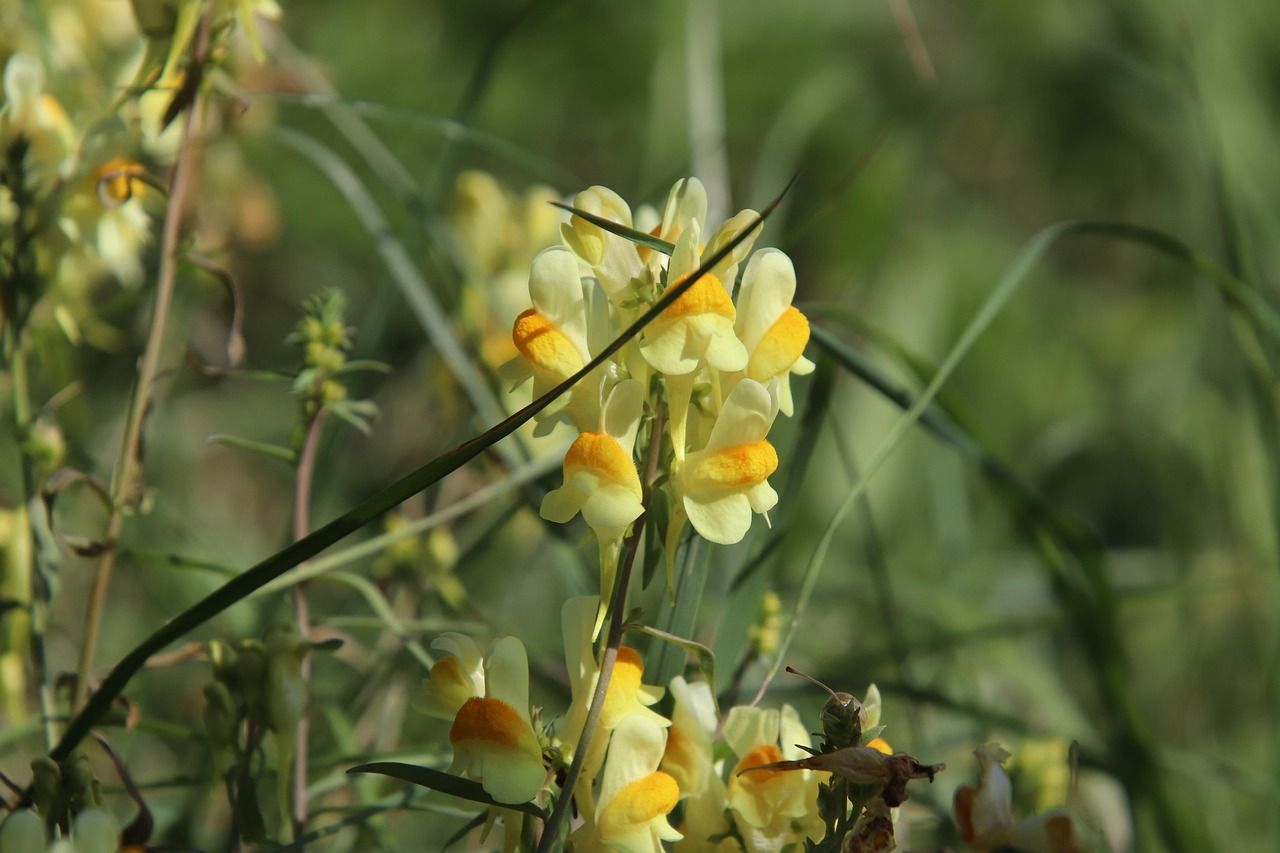
After years of pinks, mauves, and purples dominating cottage-style gardens, softer yellows are stepping forward. Cephalaria gigantea, with its airy butter-yellow blooms, exemplifies this shift. These lighter yellow tones cut through heavier color schemes and bring a sense of freshness and movement to planting beds.
Yellow flowers are also highly attractive to pollinators, making them both visually appealing and functional. In Florida gardens, similar effects can be achieved with plants like coreopsis, tickseed sunflower, and native goldenrod varieties, all of which thrive in warm conditions and support beneficial insects.
Cephalaria works best in full sun to partial shade and shines in mixed borders where its height and delicate blooms can soften denser plantings. It’s particularly effective when paired with grasses or perennials with contrasting textures.
Height and Structure Make a Return
Gardeners are once again embracing plants that add vertical interest and clear structure to planting designs. Verbascum phoeniceum fits this trend perfectly, offering tall flower spikes and architectural seedheads that continue to add interest long after blooming has finished.
While verbascum has a reputation for being finicky, many gardeners are discovering that with ample sunlight and good drainage, it’s surprisingly easy to grow. This renewed openness to plants once considered tricky reflects a broader willingness to experiment.
For Florida gardeners seeking similar height and structure, options like gaura, salvia, blazing star (liatris), and firebush can provide upright form and extended seasonal appeal. These plants help anchor garden beds and give designs a layered, intentional look beyond peak flowering.
Flowering Trees Step Into the Spotlight
Flowering trees are earning renewed appreciation, particularly varieties that offer beauty across multiple seasons. Cultivars of Cornus kousa, along with hybrids like Cornus Venus, are getting attention for their generous blooms, attractive branching, and fall color.
Designers are increasingly favoring trees that justify their footprint year-round rather than offering only a brief flowering moment. Beyond dogwoods, gardeners are also turning to options like fringe trees, crape myrtles with improved mildew resistance, and redbuds for similar multi-season value.
In warmer regions, selecting flowering trees that are adapted to local conditions ensures longevity and reduces maintenance, making them true long-term investments in the landscape.

Ornamentals That Do Double Duty
The line between ornamental and edible gardening continues to blur. Artichoke ‘Violet de Provence is a prime example—its bold, sculptural foliage and striking purple blooms make it just as suitable for a flower bed as a vegetable garden.
This trend extends well beyond artichokes. Okra, Swiss chard, purple basil, eggplant, and even certain pepper varieties are increasingly being used as ornamental features. These plants contribute color, texture, and interest while also producing food, aligning beauty with practicality.
For gardeners with limited space, dual-purpose plants deliver more impact per square foot, reinforcing the idea that edible gardens don’t have to be tucked away or purely utilitarian.
Ornamental Grasses Gain Ground
Ornamental grasses continue to grow in popularity, especially as gardeners look for plants that offer texture, movement, and resilience. Briza maxima, with its distinctive seedheads and relaxed form, fits well into prairie-style and mixed plantings.
Grasses are valued for their ability to tolerate a range of conditions, including periods of low rainfall, while adding motion and softness to landscapes. In Florida, muhly grass, fountain grass alternatives, and native grasses provide similar benefits while supporting local ecosystems.
Pollinator Favorites With a Fresh Look
Sunflowers are being reimagined as design-forward plants rather than purely agricultural or novelty additions. Helianthus annuus ‘ProCut Plum’ brings deeper, moodier tones to gardens while remaining highly attractive to pollinators.
This shift reflects a broader trend toward choosing pollinator-friendly plants that also feel intentional and design-conscious, proving that ecological value and aesthetics can go hand in hand.

Living Centerpieces Will Replace the Traditional Bouquet
Fresh-cut flower arrangements are giving way to something more lasting: living plants. Tabletop vegetable plants are becoming popular centerpieces, offering beauty that evolves over time.
Mini aubergines, peppers, chillies, and tomatoes are being bred in compact forms that suit containers and indoor-outdoor living. These plants add color and interest while producing edible rewards, often lasting weeks rather than days.
For small spaces, patios, or apartment balconies, decorative edibles provide a satisfying blend of form and function, turning everyday décor into something interactive and useful.
Plants That Thrive With Less
Gardeners are increasingly drawn to plants that perform well without constant inputs. Varieties bred for resilience are becoming more common, especially as water restrictions and changing weather patterns influence planting choices.
Many perennials, sod grass varieties, shrubs, and native plants now favored in garden design are naturally adapted to thrive with less frequent watering once established. Designing gardens around these adaptable plants helps create landscapes that remain attractive while being more resource-conscious.
Thoughtful plant selection, paired with efficient watering practices, allows gardens to flourish even when conditions are less predictable.
“Lemonading”: Finding Joy in the Garden
A growing cultural mindset is shaping how people approach their gardens—one that embraces imperfection, creativity, and optimism. Referred to as “lemonading” in the 2026 Garden Trends Report, this concept centers on turning challenges into opportunities.
Rather than striving for total control, gardeners are allowing their spaces to evolve, treating missteps as learning experiences and celebrating unexpected outcomes. The garden becomes a place of experimentation and personal expression, not pressure.
Gardening as a Response to Modern Stress
With daily life increasingly dominated by screens and constant connectivity, gardens are becoming sanctuaries. Digging, planting, and observing growth offer moments of calm and grounding that many people are actively seeking.
Planting With Purpose
Purpose-driven gardening focuses on supporting pollinators, birds, and local ecosystems throughout the year rather than just during peak bloom seasons. Gardeners are selecting a mix of plants that provide ongoing nectar, seeds, shelter, and habitat—such as combining early- and late-blooming flowers, leaving seed heads for birds, and planting native shrubs that offer cover and food. By designing for continuity instead of short-lived color, gardens become more resilient, wildlife-friendly spaces that stay active and beneficial across all seasons.
Prioritizing Native and High-Impact Plants
Many gardeners are looking beyond plant labels and prioritizing species that provide the greatest ecological value. Instead of focusing only on whether a plant is native, they’re choosing trees, shrubs, and perennials that offer food, shelter, and habitat for a wide range of wildlife. This shift allows home gardens to play a more active role in supporting local ecosystems while still fitting seamlessly into designed landscapes.
Smarter Gardens Through Technology
Technology is quietly reshaping everyday gardening, helping people garden smarter and with greater confidence. Plant identification apps, pest diagnostics, and care reminders bring timely, data-driven insights that make it easier to understand what plants need and when.
By reducing guesswork, these tools help minimize waste, avoid unnecessary treatments, and build more resilient gardens—especially for newer gardeners who may feel overwhelmed by traditional advice.

More Is More: The Rise of Maximalist Gardening
Minimalist, tightly controlled gardens are giving way to more abundant, expressive spaces. Maximalist gardening encourages planting generously and mixing categories freely—ornamentals alongside edibles, natives with pollinator favorites.
Embracing the Beauty of “Messy”
Maximalist gardening is all about abundance, variety, and personal expression—and “messy” elements fit naturally into this approach. Rather than rigidly controlling every plant, gardeners allow natural processes like self-seeding, layered plantings, and varied textures to shape the space. This creates a relaxed, dynamic garden full of life and biodiversity. In a maximalist context, imperfection is an asset, adding charm, surprise, and visual interest without compromising the overall design or maintenance of the landscape.
Edible Gardens Built for the Heat
Gardeners are increasingly turning to climate-resilient crops that can withstand heat and require less water, reflecting a growing focus on sustainability, resilience, and food security. By selecting plants suited to challenging conditions, home gardens can remain productive even as summers grow hotter and rainfall becomes less predictable.
In Florida, heat- and drought-tolerant options include sweet potatoes, okra, cowpeas, Malabar spinach, pigeon peas, and a variety of herbs. Success with these crops depends on choosing the right varieties, applying mulch to retain soil moisture, and timing plantings to avoid the most extreme weather, ensuring a thriving and reliable edible garden.
Landscaping Trends on the Way Out
As tastes evolve, some once-popular landscaping choices are losing appeal.
Cold, Industrial Finishes: Concrete and metal accents are being replaced by warmer, more natural materials like stone, terracotta, and wood, which feel more inviting and timeless.
High-Input Landscapes: Water-intensive landscapes are being reconsidered in favor of designs that rely on appropriate plant selection and efficient irrigation.
Artificial Turf Fatigue: Artificial grass is falling out of favor as homeowners recognize its heat retention, longevity issues, and lack of ecological benefit. Natural lawns remain a practical option, especially when paired with improved maintenance practices.
The End of Perfect Yards: Rigid, flawless landscapes are giving way to gardens with broken edges and organic growth patterns, influenced by wabi-sabi principles.
Matching Outdoor Furniture: Instead of uniform sets, gardeners are curating outdoor spaces with mixed furniture that reflects personal style and creates a collected look.

Trends That Are Here to Stay
While many garden styles and plant choices come and go, certain principles remain constant, providing a foundation for long-term success.
Healthy Plants as the Ultimate Status Symbol
Healthy plants are the true measure of a thriving garden. No matter the latest color trends or design fads, vigorous growth, strong root systems, and consistent care will always outlast fleeting aesthetics. When plants are healthy, they resist pests and disease more effectively, tolerate environmental stress better, and reach their full visual and functional potential. Prioritizing plant health ensures that every garden, whether abundant and maximalist or neat and structured, maintains its vitality season after season.
Simple Nutrition, Smarter Results
Targeted plant nutrition plays a key role in supporting lasting garden success. Products like NutriPod® plant nutrition are designed specifically for use during planting, that helps young plants develop strong roots from the very beginning. These dissolvable pods release nutrients slowly and efficiently, reducing the risk of over-fertilizing while minimizing mess and runoff.
By combining convenience with eco-conscious design, NutriPod provides new plantings a strong, healthy start, setting the stage for a more resilient and vibrant garden over the long term.
Designing a Garden That Lasts
Trends are meant to inspire, not dictate. The most successful gardens reflect your growing conditions, lifestyle, and personal values. By blending fresh ideas with time-tested practices, it’s possible to create outdoor spaces that feel current today and remain rewarding for years to come.
A garden that evolves thoughtfully will always be in style.