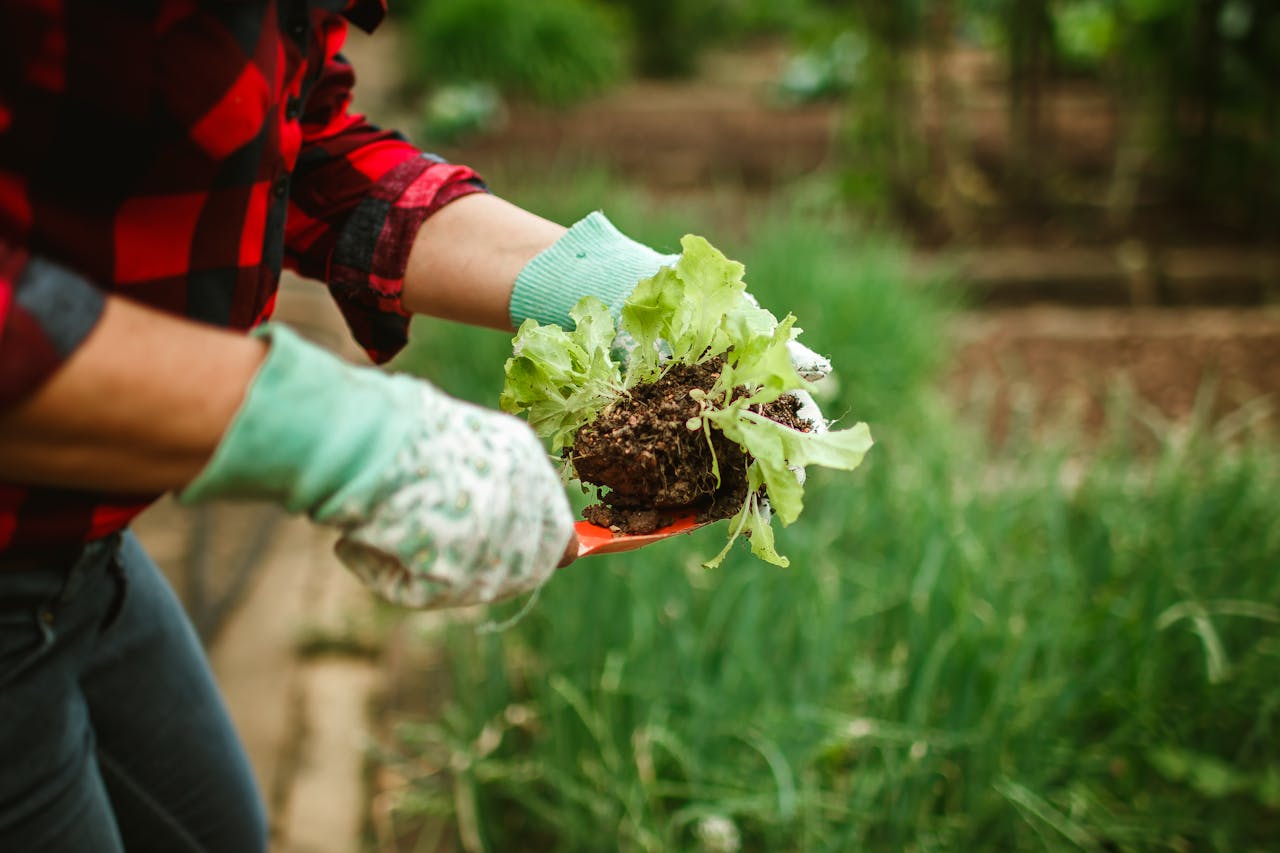
NutriPod® Vegetable Fertilizer
Nutrients are critical when planting new vegetables to help your new crops flourish! Measuring traditional fertilizers can be tricky, frustrating, and not always precise. Applying too much or too little can negatively affect your vegetables and the planet.
Benefits:
- Easy to Use – Just throw, plant, and grow.
- Pre-Measured – 16 pods delivering precise, optimal nutrition.
- Faster Growth – Grow veggies up to 2× faster.
- Long-Lasting – Feeds plants for up to 45 days.
- Zero Waste – Naturally dissolves, leaving behind no residue.
- Plant Protection – Prevents overfertilization and nutrient burn.
With NutriPod® Veggie Nutrition it is designed to dissolve and release the right amount of nutrients for optimal growth. As a complete fertilizer, it supports the needs of most vegetables and root crops, helping them grow bigger and stay healthier. You can feel confident you're providing exactly what your plants need, without the risk of overfertilization or excess waste.
NutriPod® Palm Fertilizer
Nutrients are vital when planting new palm trees to help your palms thrive! Measuring traditional fertilizers can be challenging, tedious, and not always precise. Applying too much or too little can harm your palms and the environment, especially in sandy soils where nutrients are quickly lost.
Benefits:
- Easy to Use – Just throw, plant, and grow.
- Pre-Measured – 6 pods delivering precise, optimal nutrition.
- Faster Growth – Grow palms up to 2× faster.
- Long-Lasting – Feeds palms for up to 45 days.
- Zero Waste – Naturally dissolves, leaving behind no residue.
- Root Strength – Encourages deep, robust roots for stability and health.
With NutriPod® Palm Nutrition, each biodegradable pod dissolves and releases the right amount of nutrients for optimal growth, including potassium, boron, and iron to prevent deficiencies that cause brown or dying leaves. This slow-release formula supports palm health season after season, even in nutrient-poor sandy soils. You can feel confident you’re providing exactly what your palms need, without the risk of overfertilization or excess waste. Healthy, vibrant palms add beauty, value, and a tropical touch to your property all year long.
NutriPod® Flowering Shrub Nutrition
Nutrients are essential when planting new shrubs to ensure healthy growth and vibrant blooms. Measuring traditional fertilizers can be challenging, time-consuming, and not always precise. Applying too much or too little can harm your shrubs and the environment, especially during key growth periods in spring, early summer, and late summer.
Benefits:
- Easy to Use – Just throw, plant, and grow.
- Pre-Measured – 16 pods delivering precise, optimal nutrition.
- Faster Growth – Grow shrubs up to 2× faster.
- Long-Lasting – Feeds plants for up to 45 days.
- Zero Waste – Naturally dissolves, leaving behind no residue.
- Strong Growth – Supports healthy roots, lush foliage, and abundant blooms.
With NutriPod® Flowering Shrub Nutrition, each biodegradable pod dissolves and releases the perfect blend of nutrients directly into the soil. This slow-release formula provides consistent feeding without the need for messy granules, spikes, or soil testing. Designed for all soil types, it’s the easy, eco-friendly way to give your shrubs, and landscape plants the strong start they deserve.
Kick off your planting right with this bundle.
The NutriPod® Annual Fertilizer and Power Planting Auger Bundle makes planting annuals faster, cleaner, and more efficient. Delivering perfectly measured nutrition right at the root zone with zero mess, zero waste, and zero guesswork.
NutriPod® Precise Plant Nutrition was engineered to dissolve and release the perfect amount of nutrients for plant growth. With our fertilizers, you can be confident that you're giving your annuals precisely what they need without contributing to environmental waste.
- Easy to use, throw, and grow!
- Zero waste: each package comes with 16 premeasured nutritional pods.
- NutriPod® helps grow annual plants up to two times faster.
- NutriPod® slow-release mixture will last up to 45 days.
- NutriPod® naturally dissolves, leaving no waste.
- By using NutriPod®, gardeners reduce the environmental impact typically associated with bulk fertilizer use, supporting a healthier planet with each plant.
Included in this bundle: the Power Planting Auger:
-
Speeds up planting time, no hand tools or kneeling required
-
Creates the perfect hole depth and width for NutriPod® and your annuals
Together, NutriPod® and the Power Planting Auger deliver the perfect planting experience, ensuring your annuals get the exact nutrients they need, right where they need them, with precise placement and zero risk of over- or underfeeding.
Choose Health, Efficiency, and Simplicity. Choose NutriPod® Fertilizer for your Annuals!
NutriPod® Grass Plug Fertilizer
Establishing a healthy lawn with grass plugs or new sod starts with giving your plants the essential nutrients they need for optimal growth and successful establishment. Whether you’re planting Bermuda grass plugs, Zoysia grass, cool season grass, or repairing damaged areas in your existing lawn, proper fertilization is key to promote healthy growth, vigorous root development, and a dense, weed-resistant turf.
Traditional fertilizer methods can be time-consuming and imprecise, measuring granular products, dealing with liquid fertilizer spills, and guessing the exact amount for each planting hole. This targeted approach improves soil conditions, speeds up growth (up to 2× faster), and reduces daily watering needs by supporting deep root systems. Too much fertilizer can burn grass blades, disrupt plant health, and damage existing grass, while too little slows growth and leaves your lawn thin and vulnerable to pests, drought, and heavy foot traffic.
Benefits:
- Easy to Use – Just throw, plant, and grow.
- Pre-Measured – 16 pods delivering precise, optimal nutrition.
- Faster Growth – Grow grass plugs up to 2× faster.
- Long-Lasting – Feeds for up to 45 days.
- Zero Waste – Naturally dissolves, leaving behind no residue.
- Root Strength – Promotes deep, dense roots for lasting lawn health.
Perfect for SodPods® grass plugs, new grass plugs, or new sod, NutriPod® helps your lawn thrive in sun or shade, withstand mowing, and maintain a lush, green landscape throughout the season. Whether you’re starting a new lawn or improving existing sod, NutriPod® delivers professional results without the waste, mess, or guesswork. This consistent feeding encourages faster plug establishment, quicker coverage, and improved resilience against stress. You can feel confident you’re giving your lawn exactly what it needs, without the guesswork, mess, or environmental waste.
Zoysia SodPods® & NutriPod® Bundle
Kick off your SodPods® planting right with the Zoysia SodPods® & NutriPod® Bundle, making lawn establishment faster, cleaner, and more efficient. This bundle includes your choice of 16, 32, or 64 SodPods® grass plugs and matching NutriPod® fertilizer pods, delivering everything you need for a dense, healthy lawn.
Benefits:
-
Two Great Products, One Complete Lawn Solution – Includes SodPods® grass plugs and NutriPod® fertilizer pods for faster, healthier growth.
-
Full Lawn Value – Each bundle ships exactly what you need for your chosen case size.
-
Perfectly Sized – SodPods® measure 3 in. x 3 in., ideal for patching bare spots or establishing new turf.
-
Environmentally Friendly – Generates oxygen, improves soil health, and provides a safe play area for your family.
-
Water-Saving Success – Established roots help reduce water use and increase planting success.
-
Easy to Use – Place one NutriPod® in each hole, plant your SodPod®, and grow.
-
Zero Waste – NutriPods® dissolve completely, leaving no residue behind.
-
Faster Growth – Helps SodPods® grow up to 2× faster and supports strong root development for an extended period.
About Zoysia Grass
-
Medium to fine-textured warm-season grass with a lush, cool-season appearance.
-
Dense growth absorbs impact, tolerates wear, and naturally resists weeds.
-
Good heat and drought tolerance while maintaining a soft, attractive texture.
-
Stands up well to foot traffic, making it ideal for active yards, family gatherings, and outdoor play.
-
Increasingly popular in residential communities across Florida and the southeastern United States.
-
Perfect for repairing damaged or thin spots and establishing dense, durable turf.
-
Established roots require less water and promote maximum planting success.
Choose Efficiency and Simplicity. Choose the Zoysia SodPods® & NutriPod® Bundle—your lawn will thank you.
Bermuda SodPods® & NutriPod® Bundle!
Kick off your SodPods® planting right with the Bermuda SodPods® & NutriPod® Bundle, making lawn establishment faster, cleaner, and more efficient. This bundle includes your choice of 16, 32, or 64 SodPods® grass plugs and matching NutriPod® fertilizer pods, delivering everything you need for a lush, healthy lawn.
Benefits:
-
Two Great Products, One Complete Lawn Solution – Includes SodPods® grass plugs and NutriPod® fertilizer pods for faster, healthier growth.
-
Full Lawn Value – Each bundle ships exactly what you need for your chosen tray size.
-
Perfectly Sized – SodPods® grass plugs measure 3 in. x 3 in. for easy handling and planting.
-
Environmentally Friendly – Generates oxygen, reduces environmental impact, and creates a safe play area for your family.
-
Water-Saving Success – Established roots mean less watering and higher planting success rates.
-
Easy to Use – Place one NutriPod® in each hole, plant your SodPod®, and grow.
-
Zero Waste – NutriPods® dissolve completely, leaving no residue behind.
-
Faster Growth – Helps SodPods® grow up to 2× faster and feeds for up to 45 days.
About Bermuda Grass
-
Resilient grass variety that recovers quickly from wear and tear.
-
Creates a dense, thick carpet that blankets your lawn.
-
Withstands heavy foot traffic and daily use.
-
Reaches deep into the soil for strong root systems and lasting lawn health.
-
Great choice for active, outdoor living spaces.
Choose Efficiency and Simplicity. Choose the Bermuda SodPods® & NutriPod® Bundle—your lawn will thank you.
NutriPod® Annual Fertilizer
When planting new annuals, nutrients are essential to help your plants flourish! Measuring traditional fertilizers can be challenging, cumbersome, and not always precise. Applying too much or too little can harm your plants and the environment, especially during the busy start of the spring or summer season.
Benefits:
- Easy to Use – Just throw, plant, and grow.
- Pre-Measured – 16 pods delivering precise, optimal nutrition.
- Faster Growth – Grow annuals up to 2× faster.
- Long-Lasting – Feeds plants for up to 45 days.
- Zero Waste – Naturally dissolves, leaving behind no residue.
- Bloom Power – Supports strong roots and vibrant, healthy flowers.
With NutriPod® Precise Plant Nutrition, each biodegradable pod dissolves and releases the perfect blend of nitrogen, phosphorus, and potassium for healthy growth, strong root systems, and abundant blooms. This slow-release formula minimizes the need for reapplication and provides consistent feeding without the risk of overfertilization or excess waste. NutriPod® offers a cleaner, more sustainable approach to fertilizing container plants, garden beds, or seasonal displays, making it the simple way to enjoy brighter, healthier annuals all season long.
Seville™ St. Augustine SodPods® & NutriPod® Bundle
Kick off your SodPods® planting right with the Seville™ St. Augustine SodPods® & NutriPod® Bundle, making lawn establishment faster, cleaner, and more efficient. This bundle includes your choice of 16, 32, or 64 SodPods® grass plugs and matching NutriPod® fertilizer pods, delivering everything you need for a lush, healthy lawn.
Benefits:
-
Two Great Products, One Complete Lawn Solution – Includes SodPods® grass plugs and NutriPod® fertilizer pods for faster, healthier growth.
-
Full Lawn Value – Each bundle ships exactly what you need for your chosen tray size.
-
Perfectly Sized – SodPods® grass plugs measure 3 in. x 3 in. for easy handling and planting.
-
Environmentally Friendly – Generates oxygen, reduces environmental impact, and creates a safe play area for your family.
-
Water-Saving Success – Established roots mean less watering and higher planting success rates.
-
Easy to Use – Place one NutriPod® in each hole, plant your SodPod®, and grow.
-
Zero Waste – NutriPods® dissolve completely, leaving no residue behind.
-
Faster Growth – Helps SodPods® grow up to 2× faster and feeds for up to 45 days.
About Seville™ St Augustine Grass
Seville™ St. Augustine Grass Plugs have a beautiful rich, dark-green color and a shorter, narrower leaf blade that give it a distinctive plush appearance. This semi-dwarf variety has excellent horizontal compact growth, which requires less mowing than other sod types. Seville™ is very tolerant to shade, but still manages to thrive in areas with a lot of sunshine. Seville™ will bring your lawn years of color!
-
Broad-bladed, medium-green grass with a lush, attractive look.
-
Tolerant to shade, drought, and salt for versatile growing conditions.
-
Environmentally friendly—generates oxygen and provides a safe play area for your family.
-
Grown on a family-owned and operated farm for trusted quality.
Choose Efficiency and Simplicity. Choose the Seville™ SodPods® & NutriPod® Bundle—your lawn will thank you.
St. Augustine Floratam™ SodPods® & NutriPod® Bundle
Kick off your SodPods® planting right with the Floratam™ St. Augustine SodPods® & NutriPod® Bundle—making lawn establishment faster, cleaner, and more efficient. This bundle includes your choice of 16, 32, or 64 SodPods® grass plugs and matching NutriPod® fertilizer pods, delivering everything you need for a lush, healthy lawn.
Benefits:
-
Two Great Products, One Complete Lawn Solution – Includes SodPods® grass plugs and NutriPod® fertilizer pods for faster, healthier growth.
-
Full Lawn Value – Each bundle ships exactly what you need for your chosen tray size.
-
Perfectly Sized – SodPods® grass plugs measure 3 in. x 3 in. for easy handling and planting.
-
Environmentally Friendly – Generates oxygen, reduces environmental impact, and creates a safe play area for your family.
-
Water-Saving Success – Established roots mean less watering and higher planting success rates.
-
Easy to Use – Place one NutriPod® in each hole, plant your SodPod®, and grow.
-
Zero Waste – NutriPods® dissolve completely, leaving no residue behind.
-
Faster Growth – Helps SodPods® grow up to 2× faster and feeds for up to 45 days.
About Floratam™ St Augustine Grass
Floratam™ St. Augustine Grass Plugs is a coarse, vigorous variety of St. Augustine grass that thrives in warmer climates. Its broad leaves create a plush look. Perfect for a sunny lawn, Floratam™ is also the most drought tolerant St. Augustine variety on the market.
-
Coarse, vigorous variety ideal for warm climates.
-
Broad-bladed, medium-green color for a plush, attractive lawn.
-
Superior heat tolerance and high humidity resilience.
-
Known as the most drought-tolerant St. Augustine variety on the market.
-
Easy to install for lawn repair, improvement, or new lawn planting.
Choose Efficiency and Simplicity. Choose the Floratam™ SodPods® & NutriPod® Bundle—your lawn will thank you.
Palmetto St. Augustine SodPods® & NutriPod® Bundle
Kick off your SodPods® planting right with the Palmetto St. Augustine SodPods® & NutriPod® Bundle, making lawn establishment faster, cleaner, and more efficient. This bundle includes your choice of 16, 32, or 64 SodPods® grass plugs and NutriPod® fertilizer pods, delivering everything you need for a lush, healthy lawn.
Benefits:
-
Two Great Products, One Complete Lawn Solution – Includes SodPods® grass plugs and NutriPod® fertilizer pods for faster, healthier growth.
-
Full Lawn Value – Each bundle ships exactly what you need for your chosen tray size.
-
Perfectly Sized – SodPods® grass plugs measure 3 in. x 3 in. for easy handling and planting.
-
Environmentally Friendly – Generates oxygen, reduces environmental impact, and creates a safe play area for your family.
-
Water-Saving Success – Established roots mean less watering and higher planting success rates.
-
Easy to Use – Place one NutriPod® in each hole, plant your SodPod®, and grow.
-
Zero Waste – NutriPods® dissolve completely, leaving no residue behind.
-
Faster Growth – Helps SodPods® grow up to 2× faster and feeds for up to 45 days.
About Palmetto St Augustine Grass
Palmetto St. Augustine Grass Plugs are often selected for beautiful color and finer texture. Palmetto™ demonstrates superior shade, cold, frost, heat and drought tolerance. It will also hold its color longer than other St. Augustine varieties, adding to its desirability. Its semi-dwarf habit and finer texture make it a softer, more comfortable lawn for lounging or barefoot walking.
-
Broad-bladed, medium-green grass with a lush, attractive appearance.
-
Superior heat and shade tolerance for versatile growing conditions.
-
Established roots require less watering and ensure maximum planting success.
-
Generates oxygen and creates a safe play area for family and pets.
-
Grown on a family-owned and operated farm for trusted quality.
Choose Efficiency and Simplicity. Choose the Palmetto SodPods® & NutriPod® Bundle—your lawn will thank you.
NutriPod® Grass Plug Fertilizer & Power Planting Auger Bundle
Plant your grass plugs the smart way with the NutriPod® Grass Plug Fertilizer & Power Planting Auger Bundle, making lawn establishment faster, cleaner, and more efficient. This duo delivers perfectly measured nutrition directly to the root zone with zero mess, zero waste, and zero guesswork.
Benefits:
- Easy to Use – Just throw, plant, and grow.
- Pre-Measured – 16 pods delivering precise, optimal nutrition.
- Faster Growth – Grow grass plugs up to 2× faster.
- Long-Lasting – Feeds for up to 45 days.
- Zero Waste – Naturally dissolves, leaving behind no residue.
- Root Strength – Promotes deep, dense roots for lasting lawn health.
Included in the Bundle – The Power Planting Auger:
Drill-Compatible Design – Attaches to any standard power drill for effortless hole digging.
Faster Planting – Speeds up planting so you can cover more ground without hand tools or kneeling.
Perfect Hole Size Every Time – Creates the ideal depth and width for NutriPod® and your grass plugs, ensuring optimal root placement whether planting in small patches or large lawn areas.
Together, NutriPod® and the Power Planting Auger make grass plug planting simple, fast, and effective, giving your lawn the nutrition it needs from day one for thicker coverage, stronger roots, and a healthier, more resilient yard.
Choose Health, Efficiency, and Simplicity. Choose NutriPod® Fertilizer for your Grass Plugs, your lawn will thank you.
NutriPod® Vegetable Fertilizer
Nutrients are critical when planting new vegetables to help your crops flourish. Measuring traditional fertilizers can be tricky, time-consuming, and not always precise and applying too much or too little can harm your vegetables and the environment, especially during the important establishment stage. NutriPod® Vegetable Fertilizer makes planting and feeding your vegetable garden simple, precise, and sustainable. Designed to deliver perfectly measured nutrition directly to the root zone, NutriPod® takes the guesswork out of fertilizing so your plants can thrive from day one.
Benefits:
-
Easy to Use – Just throw, plant, and grow.
-
Pre-Measured – 16 pods delivering precise, optimal nutrition.
-
Faster Growth – Grow vegetables up to 2× faster.
-
Long-Lasting – Feeds plants for up to 45 days.
-
Zero Waste – Naturally dissolves, leaving behind no residue.
-
Plant Protection – Prevents overfertilization and nutrient burn.
With NutriPod® Vegetable Fertilizer, each biodegradable pod dissolves and releases the perfect blend of nutrients directly into the soil. This slow-release formula supports strong roots, healthy foliage, and abundant harvests without the mess of traditional granular or liquid fertilizers. Designed for all soil types, it’s the easy, eco-friendly way to give your vegetables the strong start they deserve.
Included in the Bundle – The Power Planting Auger:
-
Drill-Compatible Design – Attaches to any standard power drill for effortless hole digging.
-
Faster Planting – Speeds up planting so you can prepare rows or beds without hand tools or kneeling.
-
Perfect Hole Size Every Time – Creates the ideal depth and width for NutriPod® and your vegetable plants, ensuring consistent root placement whether planting seeds, seedlings, or transplants.
Choose Efficiency and Simplicity. Choose NutriPod® Vegetable Fertilizer—your garden will thank you.
Why NutriPod® is the Optimal Choice for Your Vegetable Garden
Easy, Eco-Friendly Fertilizer for Vegetables – NutriPod® Vegetable Fertilizer Pods make feeding your vegetable garden simple, sustainable, and mess-free. Each pre-measured, biodegradable pod delivers a balanced blend of essential micronutrients directly to your plants’ roots, ensuring accurate nutrition without measuring, mixing, or waste.
Grow Vegetables Faster and Healthier – Proven to help vegetables grow up to 2× faster, NutriPod® supports strong root systems, lush foliage, and abundant harvests in raised beds, container gardens, and backyard vegetable patches. The slow-release formula provides continuous feeding for up to 45 days, so your crops get consistent nutrition from planting to harvest.
Sustainable Gardening – Made from natural, sustainably sourced ingredients, NutriPod® is safe for your family, pets, and the planet. Its dissolvable pods leave zero packaging waste, making it the ideal eco-friendly fertilizer solution for gardeners who want healthier plants and a greener world.
Choose Health, Choose Simplicity, Choose NutriPod®.
FAQs about NutriPod Veggie Nutrition
1. How does NutriPod® promote faster growth in vegetables?
NutriPod® fertilizers enhance growth by providing plants with a consistent supply of essential nutrients, which can be lacking in soil alone. The pre-measured pods release nutrients slowly over45 days, improving the efficiency of nutrient uptake and promoting up to twice the growth rate compared to non-fertilized plants.
2. Can I use NutriPod® for all types of vegetables?
Absolutely! NutriPod® is versatile and effective for a wide range of vegetables, from leafy greens and root vegetables to fruit-bearing plants like tomatoes and peppers. Its balanced formula supports the diverse needs of different vegetable types throughout their growing seasons.
3. Why is slow-release fertilizer recommended for vegetables?
Slow-release fertilizers, such as NutriPod®, provide nutrients in a manner that mimics natural soil processes. This gradual nutrient release prevents the risk of nutrient burn (over-fertilization), which can damage plants. It ensures that nutrients are available at the pace required by the plants, leading to more efficient use and healthier growth.
Why NutriPod® is the Ideal Choice for Your Annual Flowering Plants
Easy, Mess-Free Fertilizer for Annuals – NutriPod® Annual Fertilizer Pods make feeding your flowering plants simple and precise. Each pre-measured, biodegradable pod contains the ideal blend of essential micronutrients, ensuring your annuals get exactly what they need—without the hassle of measuring, mixing, or cleanup.
Promotes Vibrant Blooms and Healthy Growth – Designed for a wide range of annual flowers, NutriPod® supports strong root development, lush foliage, and abundant, long-lasting blooms. Whether planted in garden beds, flower boxes, containers, or directly in the ground, this slow-release formula feeds for up to 45 days, helping your annuals look their best all season.
Sustainable and Eco-Friendly Gardening – Made from natural, sustainably sourced ingredients, NutriPod® is safe for your family, pets, and the planet. The dissolvable pods leave zero waste behind, reducing environmental impact while giving your plants reliable, consistent nutrition.
Choose Health, Efficiency, and Simplicity. Choose NutriPod® Fertilizer for your Annuals!
FAQs about NutriPod® Annual Nutrition Fertilizer
1. Why should I use a specialized fertilizer like NutriPod® for my annuals?
NutriPod® is specifically formulated to meet annuals' fast-growing and blooming needs. It provides them with balanced nutrients that ensure vibrant colors and robust health throughout the season. Each pod releases nutrients slowly, which is ideal for annual plants' short yet intense growing cycles.
2. How do NutriPod® fertilizersbenefitthe environment?
NutriPod® fertilizers are pre-measured and fully dissolvable, reducing the risk of nutrient runoff and excess chemical use. This helpsmaintainhealthier soil and protects local waterways from pollution, making gardening more sustainable.
3. What makes NutriPod® different from water soluble fertilizer and liquid fertilizers?
Unlike water-soluble and liquid fertilizer that need frequent application, NutriPod® offers a slow-release formula that feeds your annuals for up to45 daysper pod. This means consistent nutrition with less labor and a lower chance of over-fertilization.
Why NutriPod® is Ideal for Palms
Easy, Hassle-Free Palm Fertilizer – NutriPod® Palm Fertilizer Pods make feeding your palm trees simple, accurate, and mess-free. Each pre-measured, biodegradable pod contains the ideal balance of essential nutrients, ensuring healthy palm growth without the need for measuring, mixing, or guesswork.
Supports Strong, Resilient Palms – Formulated specifically for palm trees, NutriPod® promotes deep root development, lush fronds, and improved resistance to environmental stresses such as drought, sandy soils, and nutrient deficiencies. The slow-release formula feeds for up to 45 days, helping your palms thrive year-round.
Eco-Friendly and Sustainable Gardening – NutriPod® naturally dissolves in the soil, leaving zero waste behind. By preventing overfertilization and nutrient runoff, it helps protect local waterways and supports environmentally responsible landscaping.
Enhances Curb Appeal and Outdoor Enjoyment – Healthy, vibrant palms instantly elevate your property’s beauty, and overall atmosphere. With NutriPod®, you can create a lush, tropical look with minimal effort while improving the look and tranquility of your outdoor space.
Ready to transform your outdoor landscape? NutriPod® makes it simple.
FAQs about NutriPod® Palm Fertilizer
1. What type of fertilizer is best for palm trees?
NutriPod® is specifically designed for palm trees, providing a balanced blend of essential nutrients like nitrogen, phosphorus, potassium, and magnesium, which are vital for palm health. Its slow-release formula ensures nutrients are delivered gradually, which is perfect for the consistent feeding needs of palm trees.
2. Why is slow-release fertilizer recommended for palms?
Slow-release fertilizers, like NutriPod®, provide a steady supply of nutrients that match the slow nutrient uptake rate of palm trees. This method prevents nutrient burn, which can occur from too much fertilizer, and ensures nutrients are available as palms grow.
3. What are the environmental benefits of usingNutriPod® for my palms?
NutriPod® fertilizers are eco-friendly, producing zero waste due to their fully dissolvable pods. This minimizes runoff and the potential for environmental pollution, making them a safe choice for your garden and the broader ecosystem.
Why NutriPod® is the Best Choice for Your Shrubs
Easy, Accurate Shrub Fertilizer – NutriPod® Flowering Shrub Fertilizer Pods make feeding your shrubs simple and mess-free. Each pre-measured, biodegradable pod delivers the perfect balance of nutrients directly to the root zone—no measuring, mixing, or spreading required. Just place a pod in the planting hole and water.
Promotes Strong, Healthy Shrubs – Formulated to support robust root development, lush foliage, and vibrant blooms, NutriPod® helps shrubs grow 2x faster, stronger and resist common stresses like pests, diseases, and poor soil conditions. The slow-release formula feeds consistently for up to 45 days, minimizing the need for frequent reapplication.
Eco-Friendly & Waste-Free – NutriPod® dissolves completely in the soil, leaving no waste behind. Its biodegradable design and precise nutrient delivery reduce the risk of overfertilization and runoff, protecting the environment while nurturing your garden.
Ideal for All Landscape Plants – Perfect for flowering shrubs, ornamental bushes, and small trees, NutriPod® works across all soil types and planting locations. Whether in garden beds, borders, or containers, it provides professional-quality results with minimal effort.
Choose Health, Efficiency, and Simplicity. Choose NutriPod® Fertilizer for your Shrubs!
FAQs about NutriPod® Flowering Shrub Nutrition
1. What are the benefits of using NutriPod® for my shrubs?
NutriPod® provides a balanced mix of essential nutrients tailored for shrubs, promoting healthier growth, vibrant foliage, and more robust blooming. The slow-release pods ensure nutrients are delivered over time, which is perfect for the consistent feeding shrubs need without the risk of nutrient burn or excess runoff.
2. Can I use NutriPod® for all types of shrubs?
Absolutely! NutriPod® is formulated to support a wide variety of shrub species, whether they are flowering, fruiting, or purely ornamental. Its balanced formulation is safe and effective across diverse shrub needs.
3. Why is slow-release fertilizer recommended for shrubs?
Slow-release fertilizers, such as NutriPod®, provide a steady supply of nutrients that match the slow and steady nutrient uptake of shrubs. This gradual feeding prevents the shock and potential damage caused by the sudden release of nutrients, ensuring healthier and more sustainable growth.
4. AreNutriPod® fertilizers environmentally friendly?
Yes, NutriPod® fertilizers are designed to be environmentally friendly. Each pod is pre-measured to provide exact nutrients with minimal waste. The pods fully dissolve, leaving no residue or plastic waste, thus reducing the potential for environmental pollution.
Why NutriPod® is the Optimal Choice for Your Lawn
Easy, Mess-Free Lawn Fertilizer – NutriPod® Grass Plug Fertilizer Pods take the guesswork out of lawn care. Each pre-measured, biodegradable pod contains the perfect amount of essential nutrients for optimal growth. No measuring, mixing, or spreading required. Simply drop one NutriPod into each planting hole when installing SodPods® grass plugs or laying new sod, then water. The pod dissolves completely, delivering nutrition directly to the root zone for vigorous growth and dense turf.
Faster Turf Establishment – NutriPod® is proven to help grass establish up to 2× faster, promoting deep root development, lush grass blades, and quicker lawn coverage. Its slow-release formula provides consistent feeding for up to 45 days, ensuring your grass gets steady nutrition without overfertilizing. Perfect for creating a strong, healthy lawn that resists weeds, pests, and foot traffic.
Zero Waste, Maximum Results – Designed to dissolve in the soil naturally, NutriPod® leaves behind no waste or residue. This precise, targeted feeding method eliminates excess fertilizer runoff, protects your soil conditions, and supports long-term plant health, all without messy liquid fertilizer or bulky bags.
Perfect for New Lawns & Lawn Repairs – Whether you’re planting grass plugs, filling damaged areas, repairing patchy spots, or starting a new lawn, NutriPod® delivers the right nutrients exactly where your grass needs them. Works with Zoysia grass, Bermuda grass, cool-season grass, and other popular turf types.
One Pod, Endless Possibilities — Simplify Planting with NutriPod®
FAQs About NutriPod® Grass Plug Fertilizer
1. What type of fertilizer is best for establishing grass plugs?
NutriPod® is specifically formulated to support the healthy growth and quick establishment of grass plugs. It contains a balanced blend of essential nutrients like nitrogen, phosphorus, potassium, and key micronutrients to promote strong root development, lush green blades, and dense turf coverage. Its slow-release formula ensures consistent feeding during the critical establishment phase.
2. Why is slow-release fertilizer ideal for grass plugs?
Grass plugs require steady, consistent nutrition to root deeply and spread effectively. NutriPod®'s slow-release formula delivers nutrients gradually over up to 45 days, reducing the need for reapplication and helping prevent fertilizer burn. This ensures your grass plugs receive the right nutrition at the right time for strong, uniform growth.
3. What are the environmental benefits of using NutriPod® for my lawn?
Unlike bulky bags, messy liquid fertilizers, or complicated measurements, NutriPod® offers a mess-free, waste-free solution. Each pod dissolves completely in the soil, leaving no plastic or packaging behind. This targeted feeding method minimizes runoff, protects your soil conditions, and supports a healthier environment by ensuring your lawn and grass plugs only get the perfect amount of nutrients they need. Plus, its precise delivery makes it easy to fertilize sod, patch repairs, or a full lawn renovation, all while reducing the risk of weeds, pests, and uneven growth.
SodPods® Planter Auger – Efficient, Precise, and Easy Planting
The SodPods® Planting Auger makes planting grass plugs and other small plants quick, easy, and enjoyable. Designed to work with most cordless drills, this durable 12" x 3" Power Planter auger creates perfectly sized holes in seconds—making your planting projects faster, cleaner, and far more precise than manual digging. Ideal for installing SodPods® grass plugs, small shrubs, annuals, and perennials, it’s the ultimate lawn and garden planting tool.
How to Plant with the Power Planter Auger:
Step 1: Attach the Power Planter auger to your cordless drill. Drill holes approximately 12–18 inches apart, on center, for even spacing and optimal plant growth.
Step 2: Place your SodPods® grass plug or plant into each hole, then firmly pack the soil around it to eliminate air pockets and secure roots.
Step 3: Water thoroughly to help establish strong root systems and enjoy a healthier, fuller lawn or garden.
Whether you’re creating a new lawn, filling in patchy areas, or planting seasonal flowers, the SodPods® Planter Auger saves time, reduces physical strain, and ensures every plant gets the perfect start.
Planting Grass Plugs with NutriPod:
Step 1: Create holes 12-18 inches on the center apart.
Step 2: Throw one NutriPod in each hole.
Step 3: Plant the SodPod in the hole, packing dirt around so there are no air pockets.
Step 4: Water and watch them grow.